
Why Parents Should Include Millets in Kids’ Diets
Introduction
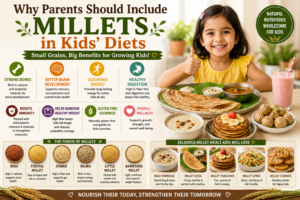
As parents, one of the most important responsibilities is ensuring that children receive the right nutrition for healthy growth and development. Childhood is a crucial stage when the body and brain are developing rapidly, requiring a balanced intake of proteins, vitamins, minerals, healthy carbohydrates, and fiber.
Unfortunately, modern eating habits often include processed snacks, sugary cereals, refined flour products, and fast foods that provide calories but lack essential nutrients. As a result, many parents are searching for healthier alternatives that can support their children’s growth while encouraging lifelong healthy eating habits.
One food group that deserves special attention is millets. These ancient grains have been a part of traditional Indian diets for thousands of years and are now gaining recognition worldwide for their exceptional nutritional value. Rich in calcium, iron, protein, fiber, and essential minerals, millets can play a vital role in supporting children’s physical and mental development.
From strengthening bones and boosting energy to improving digestion and supporting immunity, millets offer numerous benefits for growing kids. This blog explores why parents should include millets in their children’s diets and how these nutrient-rich grains can contribute to healthier and happier childhoods.
What Are Millets?
Millets are small-seeded cereal grains that belong to the grass family. They are among the oldest cultivated crops in the world and have been consumed in India for centuries.
Popular millet varieties include:
- Ragi (Finger Millet)
- Bajra (Pearl Millet)
- Jowar (Sorghum)
- Foxtail Millet
- Little Millet
- Barnyard Millet
- Kodo Millet
- Proso Millet
These grains are naturally rich in nutrients and can be used to prepare a wide variety of child-friendly dishes.
Why Childhood Nutrition Is So Important
Children require adequate nutrition to support:
- Physical growth
- Bone development
- Brain development
- Muscle growth
- Healthy digestion
- Immune function
- Energy needs
A balanced diet during childhood lays the foundation for lifelong health and well-being.
Nutrient deficiencies during early years can affect growth, learning ability, concentration, and overall development. Therefore, providing wholesome foods is essential.
Why Millets Are Considered Superfoods for Kids
Millets are often referred to as superfoods because they contain an impressive range of nutrients that support overall health.
Key nutrients found in millets include:
- Protein
- Dietary Fiber
- Calcium
- Iron
- Magnesium
- Phosphorus
- Potassium
- B Vitamins
- Antioxidants
These nutrients work together to support healthy growth and development.
1. Millets Support Strong Bones and Teeth
One of the most important nutrients for growing children is calcium.
Calcium is required for:
- Bone formation
- Teeth development
- Muscle function
- Nerve communication
Among all grains, Ragi (Finger Millet) is especially known for its high calcium content.
Including ragi-based foods such as:
- Ragi porridge
- Ragi dosa
- Ragi pancakes
- Ragi malt
can help children meet their daily calcium requirements naturally.
Strong bones developed during childhood contribute to better skeletal health later in life.
2. Provides Long-Lasting Energy for Active Kids
Children are naturally energetic and constantly engaged in activities such as:
- Playing
- Studying
- Sports
- Outdoor games
To support these activities, they need foods that provide steady energy.
Millets are complex carbohydrates that release energy gradually.
Benefits include:
- Sustained energy
- Better endurance
- Reduced tiredness
- Improved daily performance
Unlike sugary foods that provide short bursts of energy followed by crashes, millets help maintain stable energy levels throughout the day.
3. Supports Healthy Brain Development
A child’s brain develops rapidly during the early years.
Millets contain nutrients such as:
- Iron
- Magnesium
- Phosphorus
- B Vitamins
These nutrients support:
- Cognitive development
- Learning abilities
- Memory
- Concentration
Children who consume nutrient-rich foods are more likely to maintain focus and perform well in school activities.
4. Rich Source of Plant-Based Protein
Protein is essential for:
- Growth
- Muscle development
- Tissue repair
- Healthy metabolism
Millets provide valuable plant-based protein that contributes to a child’s daily nutritional needs.
Protein-rich foods help support:
- Healthy growth
- Strong muscles
- Physical activity
- Overall development
Including millet-based meals regularly can help diversify protein sources in a child’s diet.
5. Promotes Healthy Digestion
Digestive health plays a crucial role in nutrient absorption and overall wellness.
Millets contain dietary fiber that helps:
- Promote regular bowel movements
- Improve gut health
- Support digestion
- Prevent constipation
Many children consume diets low in fiber due to processed foods.
Adding millet dishes can help improve digestive health naturally.
6. Helps Maintain a Healthy Weight
Childhood obesity has become a growing concern worldwide.
Millets can support healthy weight management because they:
- Are rich in fiber
- Promote satiety
- Reduce overeating
- Support balanced eating habits
Fiber helps children feel full for longer periods, reducing the likelihood of frequent unhealthy snacking.
7. Supports a Healthy Immune System
A strong immune system helps children stay active and healthy.
Millets contain:
- Antioxidants
- Minerals
- Vitamins
These nutrients contribute to overall wellness and support the body’s natural defense mechanisms.
While no single food can guarantee immunity, a nutrient-rich diet plays an important role in maintaining health.
8. Naturally Gluten-Free
Many families today are looking for alternative grains to diversify their diets.
Millets are naturally gluten-free and can be enjoyed by children as part of a varied and balanced eating plan.
They provide an excellent alternative to heavily processed, refined flour products.
9. Encourages Healthy Eating Habits from an Early Age
Food habits developed during childhood often continue into adulthood.
Introducing nutritious foods like millets early can help children:
- Appreciate healthy foods
- Develop balanced eating habits
- Reduce dependence on processed snacks
- Make healthier food choices later in life
Teaching children to enjoy wholesome foods is one of the best investments parents can make.
Best Millets for Children
Ragi (Finger Millet)
Benefits:
- Rich in calcium
- Supports bone development
- Great for porridges and pancakes
Foxtail Millet
Benefits:
- Easy to digest
- Rich in nutrients
- Suitable for breakfast dishes
Jowar (Sorghum)
Benefits:
- High in fiber
- Provides sustained energy
Bajra (Pearl Millet)
Benefits:
- Rich in iron
- Supports overall nutrition
Barnyard Millet
Benefits:
- Light and nutritious
- Supports digestive health
Easy Millet Recipes Kids Will Love
Parents often worry that healthy foods may not appeal to children.
Fortunately, millets can be used in many delicious recipes.
Ragi Porridge
A classic breakfast option rich in calcium and energy.
Add:
- Milk
- Jaggery
- Nuts
- Fruits
for additional nutrition.
Millet Dosa
Crispy, tasty, and highly nutritious.
Serve with:
- Coconut chutney
- Tomato chutney
- Sambar
Millet Idli
Soft and easy to eat.
Ideal for breakfast or evening snacks.
Millet Pancakes
A kid-friendly recipe that combines nutrition with taste.
Add bananas or fruits for extra flavor.
Millet Cookies
A healthier alternative to processed biscuits.
Perfect for lunch boxes.
Millet Upma
Quick, nutritious, and suitable for busy mornings.
Tips for Introducing Millets to Children
Start Slowly
Replace a portion of rice or wheat with millet-based dishes.
Mix with Familiar Foods
Combine millets with favorite ingredients.
Make Food Colorful
Children enjoy visually appealing meals.
Add vegetables such as:
- Carrots
- Beetroot
- Spinach
Offer Variety
Rotate different millet varieties to keep meals interesting.
Involve Children in Cooking
Kids are more likely to try foods they help prepare.
Common Myths About Millets for Kids
Myth 1: Millets Are Difficult to Digest
Most millet dishes are easy to digest when properly cooked.
Myth 2: Children Won’t Like the Taste
Millets can be incorporated into familiar foods like dosa, pancakes, cookies, and porridge.
Myth 3: Millets Are Only for Adults
Millets provide nutrients that are beneficial for people of all ages, including growing children.
Why Modern Parents Are Choosing Millets
Today’s parents are increasingly looking for foods that are:
✔ Nutritious
✔ Natural
✔ Easy to Prepare
✔ Traditional Yet Healthy
✔ Suitable for Growing Children
Millets meet all these requirements while offering exceptional nutritional benefits.
Creating a Balanced Diet with Millets
Millets should be part of a balanced diet that also includes:
- Fruits
- Vegetables
- Dairy products
- Pulses
- Nuts and seeds
- Healthy fats
Combining millets with other nutrient-rich foods ensures children receive comprehensive nutrition.
Conclusion
Millets are among the most nutritious foods parents can include in their children’s diets. Rich in calcium, protein, fiber, iron, vitamins, and minerals, these ancient grains support healthy growth, strong bones, sustained energy, digestion, brain development, and overall wellness.
From ragi porridge and millet dosa to millet pancakes and healthy snacks, there are countless ways to introduce millets into everyday meals. By making these wholesome grains a regular part of family diets, parents can help their children develop healthier eating habits while providing essential nutrition for lifelong well-being.
In a world filled with processed foods and nutritional challenges, millets offer a simple, natural, and delicious solution for supporting children’s growth and health.