
Introduction
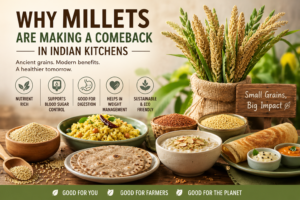
India has always been known for its rich culinary heritage, diverse food traditions, and deep connection with agriculture. Long before polished rice and refined wheat became household staples, millets formed an essential part of everyday diets across the country. These small yet powerful grains were cultivated and consumed by generations of Indians due to their nutritional value, resilience, and adaptability.
Over the years, however, changing food habits, urbanization, and the widespread availability of rice and wheat led to a decline in millet consumption. Many traditional millet-based recipes gradually disappeared from modern kitchens, and younger generations became less familiar with these ancient grains.
Today, the story is changing. Millets are making a strong comeback in Indian kitchens, and for good reason. As people become more health-conscious and aware of the importance of nutrition, millets are being rediscovered as a wholesome, sustainable, and versatile food option. From breakfast dishes and snacks to main meals and desserts, millets are finding their way back onto plates across the country.
This revival is not just a food trend. It represents a return to traditional wisdom combined with modern nutritional science. Let’s explore why millets are once again becoming a favorite choice among Indian families.
Understanding Millets
Millets are a group of small-seeded cereal grains that have been cultivated in India for thousands of years. They are among the oldest foods known to humankind and have historically played a significant role in Indian agriculture and cuisine.
Some of the most commonly consumed millets include:
Ragi (Finger Millet)
Known for its exceptionally high calcium content, ragi is widely used in porridge, dosa, rotis, and health drinks.
Jowar (Sorghum)
A versatile grain rich in fiber and antioxidants, jowar is often used to prepare rotis and flour-based dishes.
Bajra (Pearl Millet)
Popular in many parts of India, bajra is packed with essential nutrients and is commonly consumed during winter months.
Foxtail Millet
This nutrient-rich millet is gaining popularity among health-conscious consumers because of its high protein and fiber content.
Little Millet
A small but highly nutritious grain that serves as an excellent substitute for rice.
Kodo Millet
Known for its digestive benefits and low glycemic index, making it suitable for balanced diets.
Barnyard Millet
A quick-cooking millet rich in dietary fiber and minerals.
Each millet variety offers unique nutritional advantages, making them valuable additions to a healthy diet.
The Growing Focus on Healthy Eating
One of the biggest reasons behind the resurgence of millets is the growing emphasis on health and wellness.
Modern lifestyles often involve long working hours, reduced physical activity, increased stress, and the consumption of processed foods. As a result, many people are seeking healthier alternatives that provide better nutrition and support overall well-being.
Millets perfectly fit this requirement. Unlike highly refined grains, they retain much of their natural nutritional content and offer a wide range of health benefits.
Consumers today are reading food labels more carefully, understanding the importance of whole grains, and choosing foods that contribute positively to their health. This shift in mindset has significantly increased the demand for millet-based products.
Rich Nutritional Profile
Millets are often referred to as “nutri-cereals” because of their exceptional nutritional value.
They are rich in:
- Dietary fiber
- Protein
- Iron
- Calcium
- Magnesium
- Potassium
- Zinc
- B vitamins
- Antioxidants
Unlike refined grains that lose many nutrients during processing, millets provide a natural source of essential nutrients required for daily health.
For example:
- Ragi contains significantly higher calcium levels compared to many other cereals.
- Bajra is rich in iron and magnesium.
- Foxtail millet offers a good balance of protein and fiber.
- Jowar contains beneficial antioxidants that support overall wellness.
This nutritional richness makes millets an excellent choice for people of all age groups.
Millets and Weight Management
Weight management has become a major concern for millions of people.
The increasing prevalence of sedentary lifestyles and unhealthy eating habits has led many individuals to search for foods that help maintain a healthy weight.
Millets can play an important role in weight management because they are rich in dietary fiber.
Fiber helps:
- Increase satiety
- Reduce hunger cravings
- Support healthy digestion
- Promote better portion control
Because millets digest more slowly than refined carbohydrates, they help people feel fuller for longer periods. This can naturally reduce overeating and unhealthy snacking throughout the day.
As a result, many nutritionists recommend including millets in balanced weight-management plans.
Supporting Blood Sugar Control
The rise in diabetes and blood sugar-related health concerns has encouraged many people to rethink their dietary choices.
Many millet varieties have a lower glycemic index compared to refined grains. This means they release glucose into the bloodstream more gradually, helping maintain more stable blood sugar levels.
Foods that cause rapid spikes in blood sugar can contribute to energy crashes and increased hunger. Millets, on the other hand, provide sustained energy and may help support better glucose management when included as part of a balanced diet.
This is one reason why millet-based foods are becoming increasingly popular among individuals seeking healthier carbohydrate alternatives.
Improving Digestive Health
Good digestion is essential for overall health, and dietary fiber plays a crucial role in maintaining a healthy digestive system.
Millets contain significant amounts of fiber, which can help:
- Promote regular bowel movements
- Support gut health
- Improve digestion
- Reduce digestive discomfort
A fiber-rich diet contributes to a healthier digestive tract and supports the growth of beneficial gut bacteria.
As awareness about gut health continues to grow, many consumers are choosing fiber-rich foods like millets to improve their overall wellness.
A Natural Gluten-Free Alternative
Gluten-free diets have gained popularity worldwide, and many individuals seek alternatives to wheat-based foods.
Millets are naturally gluten-free, making them an excellent option for people with gluten sensitivity or those looking to diversify their diet.
Unlike heavily processed gluten-free products, millets provide natural nutrition along with versatility in cooking.
They can be used to prepare:
- Rotis
- Dosas
- Idlis
- Pancakes
- Porridges
- Snacks
- Baked products
This flexibility allows people to enjoy a variety of meals while benefiting from the nutritional value of whole grains.
Reviving Traditional Indian Food Culture
The return of millets is also closely linked to a growing appreciation for traditional Indian food practices.
Many regional cuisines across India have long relied on millet-based recipes.
Examples include:
- Ragi mudde from Karnataka
- Bajra roti from Rajasthan
- Jowar bhakri from Maharashtra
- Millet pongal from South India
- Traditional millet porridges across rural communities
As people reconnect with their cultural roots and seek authentic food experiences, traditional millet recipes are gaining popularity once again.
This revival helps preserve culinary heritage while promoting healthier eating habits.
Sustainability and Environmental Benefits
Another major reason behind the growing popularity of millets is their environmental sustainability.
Compared to many other crops, millets require:
- Less water
- Fewer fertilizers
- Reduced pesticide usage
- Lower agricultural inputs
They are highly resilient and can thrive in challenging climatic conditions, including drought-prone regions.
With increasing concerns about climate change and water scarcity, sustainable food choices are becoming more important than ever.
By choosing millets, consumers support agricultural practices that are better for the environment and contribute to long-term food security.
Increased Availability of Millet Products
One factor that previously limited millet consumption was convenience.
Today, the market offers a wide variety of millet-based products, making it easier for consumers to incorporate them into their daily routines.
Popular options include:
- Millet flour
- Millet dosa mixes
- Millet upma mixes
- Millet noodles
- Millet breakfast cereals
- Millet snacks
- Millet cookies
- Millet pancakes
- Ready-to-cook millet meals
These convenient products allow busy households to enjoy the benefits of millets without spending extra time on preparation.
Growing Awareness Through Nutrition Experts
Nutritionists, dietitians, fitness trainers, and health professionals are increasingly recommending millets as part of a balanced diet.
Social media, health blogs, wellness programs, and educational campaigns have also played a significant role in spreading awareness about the benefits of millet consumption.
As more people learn about the nutritional advantages of these grains, demand continues to rise across both urban and rural markets.
Why Families Are Choosing Millets Today
Modern Indian families are looking for foods that provide:
- Better nutrition
- Long-lasting energy
- Digestive support
- Weight management benefits
- Sustainable sourcing
- Versatile cooking options
Millets successfully meet all these requirements.
Whether served as breakfast, lunch, dinner, or snacks, they offer a practical and nutritious solution for modern lifestyles.
Parents appreciate their nutritional value for children, fitness enthusiasts value their protein and fiber content, and older adults benefit from their nutrient density and digestive advantages.
Conclusion
The comeback of millets in Indian kitchens is more than a passing trend—it is a movement toward healthier living, sustainable agriculture, and the revival of traditional food wisdom.
As people become increasingly aware of the relationship between diet and health, millets are emerging as one of the most valuable grains available today. Their impressive nutritional profile, digestive benefits, versatility, and environmental sustainability make them a smart choice for individuals and families alike.
By incorporating millets into everyday meals, consumers can enjoy the best of both worlds: the wisdom of ancient traditions and the benefits of modern nutrition.
The return of millets marks a positive shift toward mindful eating and a healthier future. As these remarkable grains continue to gain popularity, they are reclaiming their rightful place at the heart of Indian kitchens.